Concrete Driveways in Riverbank: Step-by-Step Process
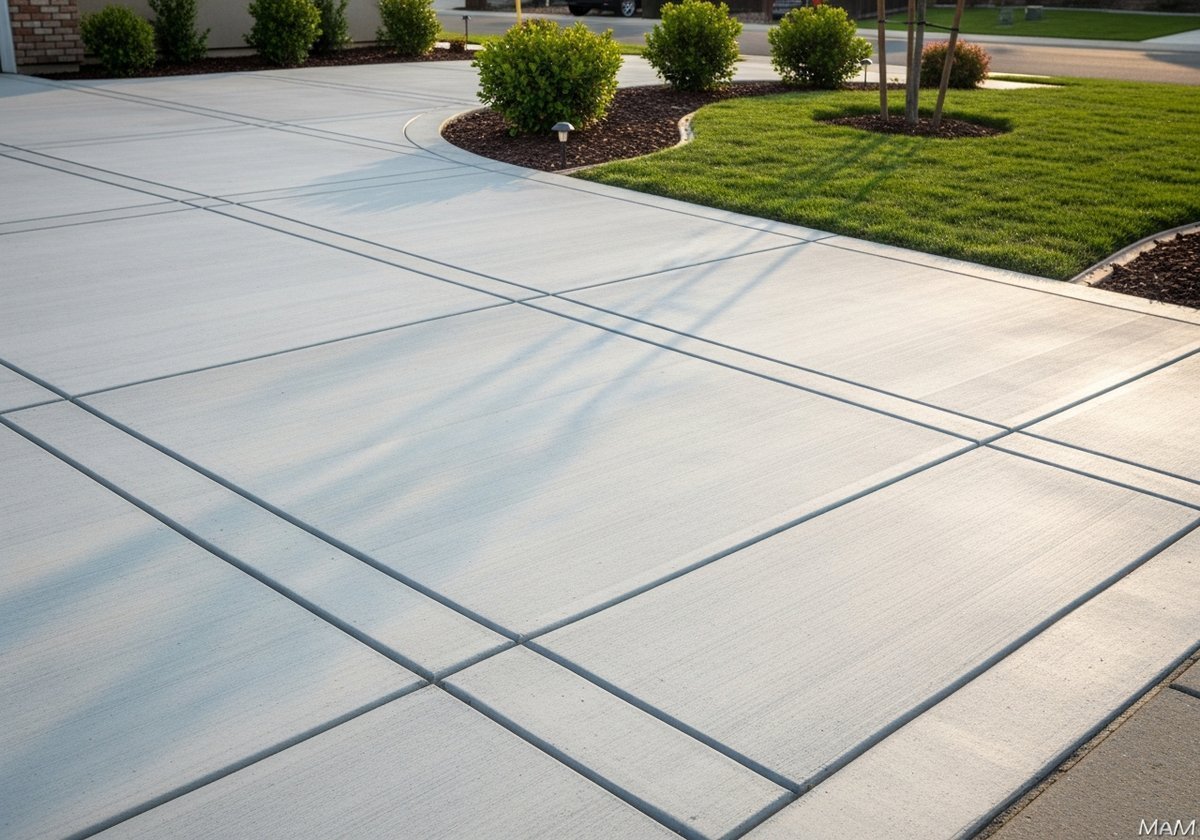
Concrete driveways in Riverbank are a popular choice for homeowners looking for durability and curb appeal. The process of installing a concrete driveway involves multiple detailed steps, ensuring a surface that can withstand Riverbank's hot summers and wet winters.
Understanding the full process of a concrete driveway installation
For homeowners in neighborhoods like Crossroads or old town Riverbank, understanding what goes into a concrete driveway installation can help manage expectations and ensure a smooth experience. From quoting to curing, each step is essential to creating a long-lasting driveway.
The process typically takes 7–10 days from start to finish, depending on factors such as weather, lot conditions, and driveway size. Here’s a breakdown of each stage:
Step 1: Getting an accurate quote
Any project starts with a detailed estimate. For driveways in Riverbank, contractors will assess the square footage, soil conditions, and any drainage needs. Typical costs range from $8 to $15 per square foot, influenced by factors like driveway design and any decorative elements.
In areas closer to the Stanislaus River, where soil tends to be sandy loam, base preparation is often simpler than in clay-heavy lots further from the river. A site visit ensures the quote reflects your specific property conditions.
Step 2: Site preparation and grading
Once the contract is signed, the first step is preparing the site. This involves clearing the area of vegetation, rocks, or old paving materials. Proper grading is critical in Riverbank, where stormwater management is essential during winter rains.
For homes in the Riverbank Industrial area, where larger lots are common, ensuring proper slope and drainage can prevent pooling water, which can weaken the driveway over time. In tighter lots, such as those in old town Riverbank, contractors must carefully plan for runoff to avoid affecting neighboring properties.
Step 3: Installing the base and rebar
A stable base is the foundation of any durable concrete driveway. Contractors typically lay 4–6 inches of compacted crushed rock or gravel, providing a solid layer for the concrete to rest on. In clay-heavy areas of Riverbank, additional measures may be necessary to prevent shifting over time.
Rebar or wire mesh is then installed to reinforce the concrete. This step is critical, especially in Riverbank’s climate, where temperature fluctuations can cause expansion and contraction. Reinforcement helps prevent cracking and extends the life of the driveway.
Step 4: Forming the driveway
Wooden or metal forms are set up to outline the shape of the driveway. This step defines the edges and ensures the correct thickness, typically 4 inches for standard driveways or up to 6 inches for heavy-use areas.
In neighborhoods like Crossroads, where homes often feature wider driveways for multiple vehicles, forming must account for both functional use and aesthetic symmetry. Contractors also plan for control joints at this stage, which help manage cracking as the concrete cures.
Step 5: Pouring and finishing
The concrete is mixed and poured into the forms, then leveled with tools to create a smooth, even surface. In Riverbank’s hot summer months, timing is critical to prevent premature drying, which can lead to weak spots or cracking.
Finishing techniques vary based on the homeowner’s preference. A broom finish provides traction, while a smooth trowel finish offers a sleek, modern look. Decorative options like stamped concrete can also be added at this stage for a higher-end appearance.
Step 6: Adding control joints
Control joints are essential for managing natural expansion and contraction in the concrete. These grooves are typically cut into the surface within 24 hours of pouring, guiding any cracks that develop along predetermined lines.
For Riverbank’s clay-heavy lots, control joints are particularly important to prevent random cracking caused by soil movement. The placement of these joints is strategically planned during the forming stage.
Step 7: Curing the concrete
Curing is the final and most critical stage. Concrete needs time to reach its full strength, which can take up to 28 days. During this period, contractors may use curing compounds or plastic sheeting to retain moisture, especially in Riverbank’s dry summer climate.
Homeowners should avoid driving on the new driveway for at least a week and heavy vehicles for up to a month. Proper curing ensures a driveway that can withstand years of use.
Frequently asked questions
How much does a concrete driveway cost in Riverbank?
The cost of a concrete driveway in Riverbank typically ranges from $8 to $15 per square foot, depending on the size, design, and site conditions.
How long does it take to install a concrete driveway?
The process usually takes 7–10 days, including site preparation, pouring, and initial curing. Full curing takes about 28 days.
Is rebar necessary for a concrete driveway?
Yes, rebar or wire mesh is essential for reinforcing the concrete and preventing cracking, especially in areas with clay-heavy soil.
Can I drive on the driveway immediately after installation?
No, you should wait at least 7 days before driving on it and up to 28 days for heavy vehicles to ensure proper curing.
What maintenance does a concrete driveway need?
Regular cleaning and sealing every 2–3 years help protect against stains and weather damage, keeping the driveway in top condition.